
![]() | ||
Bahrain Petroleum Company (BAPCO) Low Sulphur Diesel Project, BahrainBahrain Petroleum Company (BAPCO) completed in early 2004 some major upgrades to the production capacity and infrastructure at its Bahrain refinery (the only one in the country). The refinery first opened in 1936 (initial production of 10,000bpd) and has undergone many upgrades in the past 69 years including some major projects in the early 2000s. BAPCO is now commissioning a new series of projects designed to completely modernise diesel production at the refinery and to bring its diesel products fully into compliance with strict new emissions regulations. This project has been planned to increase the production of a high quality low-sulphur diesel that meets the strict European and US environmental regulations, pursuant to a company policy of expanding diesel oil exports into European markets and emphasising light oil products. The goal is to reduce sulphur concentrations from an average of 0.7% currently to 0.001% on completion of the project. BAPCO REFINERYThe BAPCO refinery has five crude distillation units. The units to be upgraded comprise a mild hydrocracker, a catalytic reformer, a distillate hydrotreater and a visbreaker. The refinery configuration is geared for high middle distillate yield operation. The crude oil supply is still fed from the Bahrain field (just over 16%) and Saudi Arabia by an under-sea pipeline. BAPCO's wharf facility has seven berths and can accommodate transport ships of up to 70,000t. More than 700 ships are loaded annually to export petroleum products. More than 95% of BAPCO production is currently exported to Asia, Japan, Africa and GCC states. The European market and the US market are next on the agenda. HYDROCRACKER UNITS AND OTHER PROJECTSThe Japanese oil engineering company JGC Corporation has been awarded the construction contract of a new hydrocracker unit with a capacity of 60,000bpd to produce low sulphur diesel. Construction begain in March 2005 and the project is expected to be completed in early 2007. JGC will provide design, procurement, construction management and commissioning assistance services. The contract is worth an estimated $690 million. The low sulphur diesel project is the main element of BAPCO's strategic investment program at this current time. JGC are well acquainted with the refinery, having conducted four previous modernisation and construction projects there already. JGC will undertake the construction of facilities that include the hydrocracking unit, a hydrogen production unit, two sulphur recovery units and off-site utilities, as well as increasing processing capacity of the existing mild hydrocracking unit from 54,000bpd to 70,000bpd and revamping it to an ultra-deep desulphurisation unit, achieving a reduction in sulphur in the diesel product down to below 10ppm. An expansion to the steam methane reforming unit is also planned. In addition, the contract also involves the construction of two sour water strippers, and an amine-based natural gas sweetening unit. REFINERY GAS DESULPHURISATION UNITThe construction of a new refinery gas desulphurisation unit with a capacity of 45,000bpd is also planned as part of the project. This contract is still out to tender. BAPCO invited bids for the Engineering, Procurement and Construction (EPC) of this project from four international companies - Technip, Chicago Bridge and Iron, Foster Wheeler (FWLRF) and Fluor Daniel (FDGT). The bids were due in April 2005 and the contract will be awarded to the winning company shortly after that. When the low-sulphur diesel project is completed, BAPCO will have the flexibility to produce gasoil, kerosene and liquefied petroleum gas from their sole refinery unit. FINANCE The company has raised finance of over $1 billion for the projects from a series of arrangements with various banks. In March 2005, BAPCO signed deals in a package including $370 million from the commercial facility, $330 million from the Islamic lease facility and $311 million of tranche guaranteed by Japan Bank for International Cooperation (JBIC) and Nippon Export Credit Agency. Additional banks involved in the financing include BNP Paribas, HSBC Bank, Mizho Bank, Arab Banking Corporation, Gulf International Bank, National Bank of Bahrain, Kuwait Finance House, Dubai Islamic Bank and Arab Petroleum Investment Corporation. The financing is based on a commodity structured scheme which relies on both BAPCO's corporate strength and strong sovereign support. The return on investment from these modernisation and construction projects is expected to be 20% to 24%. Often the refining industry is not very lucrative - as oil prices change the refinery margins may become negative due to the relatively lower product prices compared to crude oil. Product prices are then strongly influenced by supply and demand and inventory levels. The demand is influenced by economic growth and, in the short-term, seasonal climatic factors. Because of this, the economics dictate that it is more cost effective to upgrade an existing refinery rather than construct a new one from scratch.
|
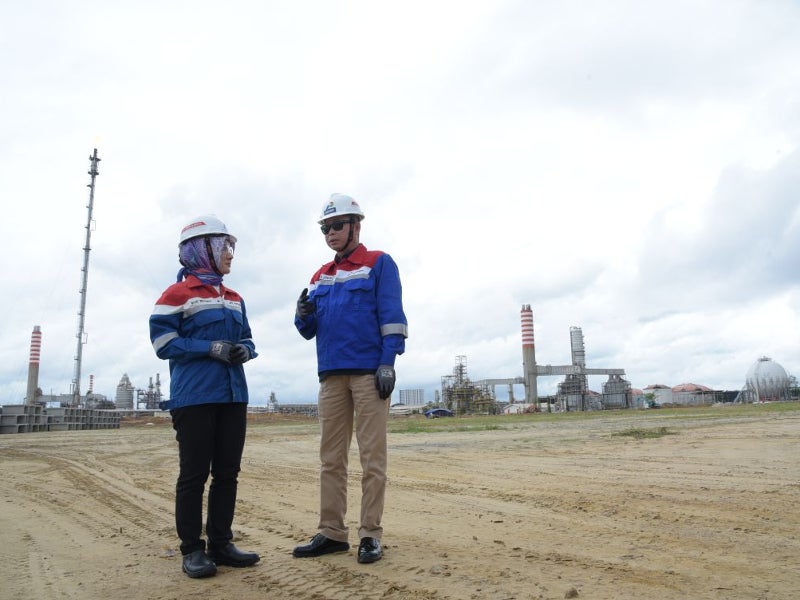
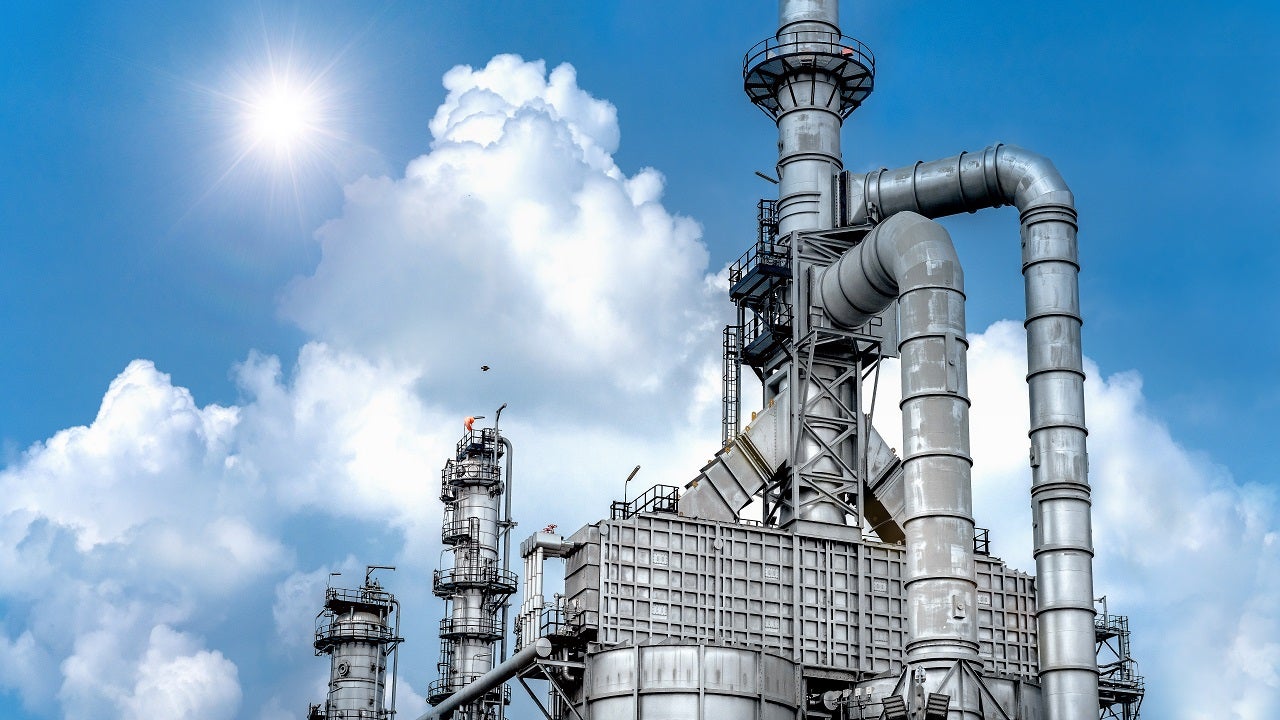
![]() BAPCO is commissioning a series of projects designed to completely modernise diesel production at the refinery and to bring its diesel products into compliance with new emissions regulations in the US and Europe. | |
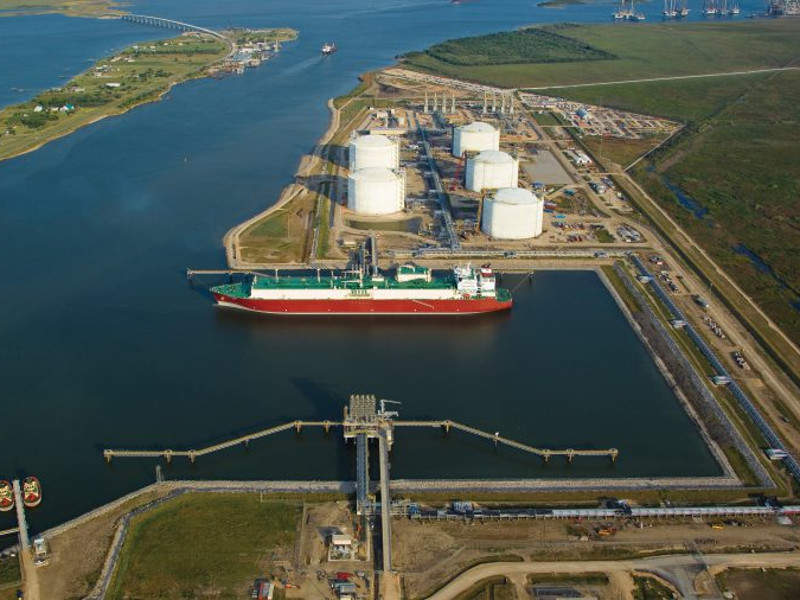
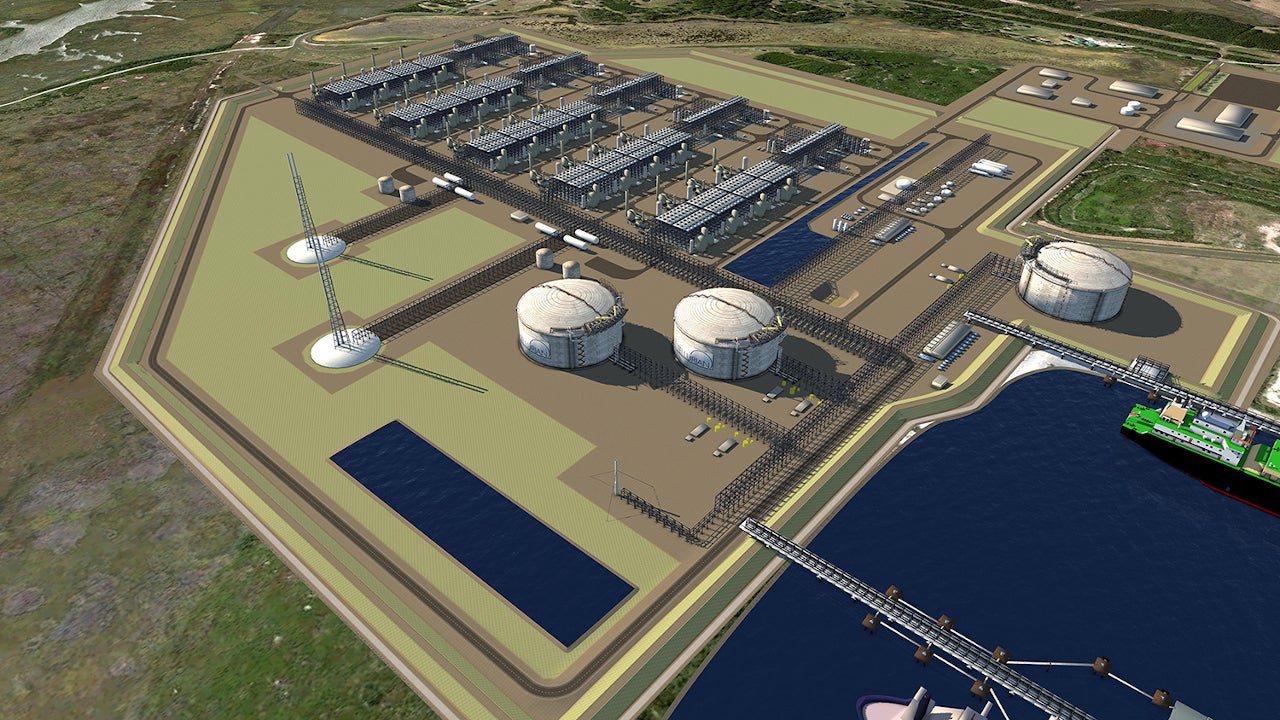
![]() A new hydrocracker unit with a capacity of 60,000bpd is being constructed to produce low sulphur diesel. | ||
|
The units to be upgraded comprise a mild hydrocracker, a catalytic reformer, a distillate hydrotreater and a visbreaker. | ||
![]() The Bahrain refinery completed some major upgrades to the production capacity and infrastructure in early 2004. | ||
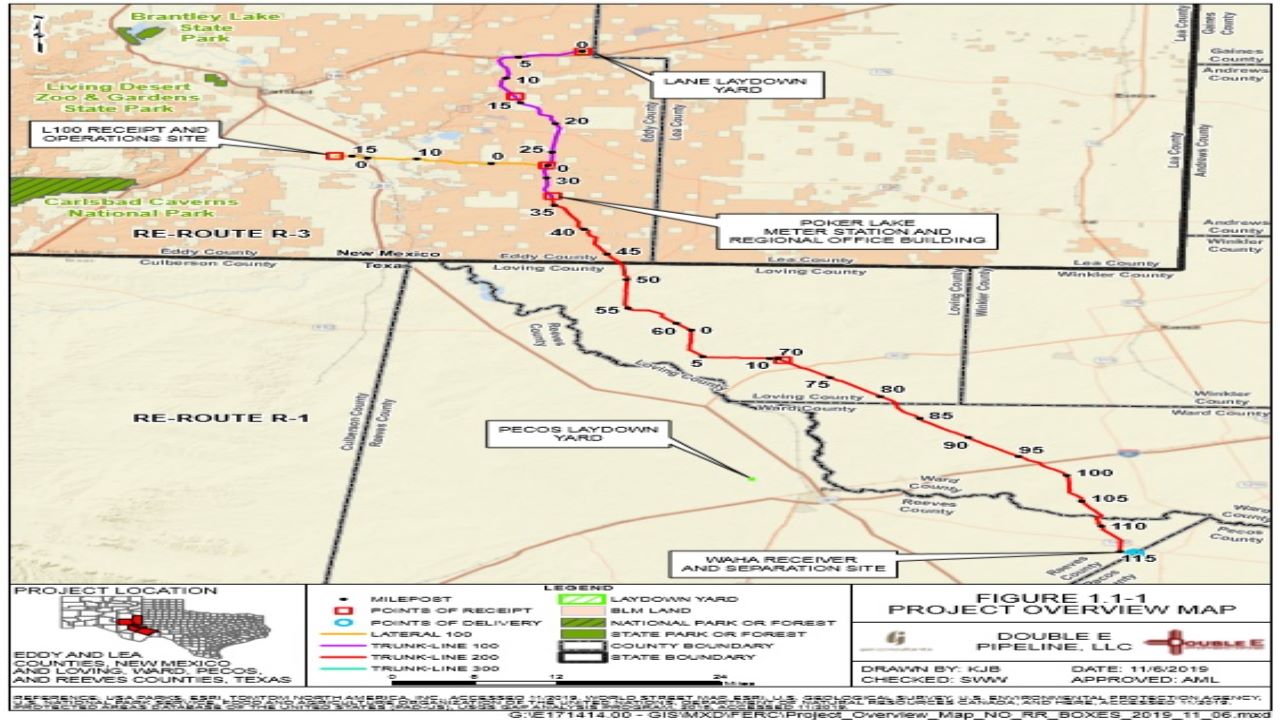
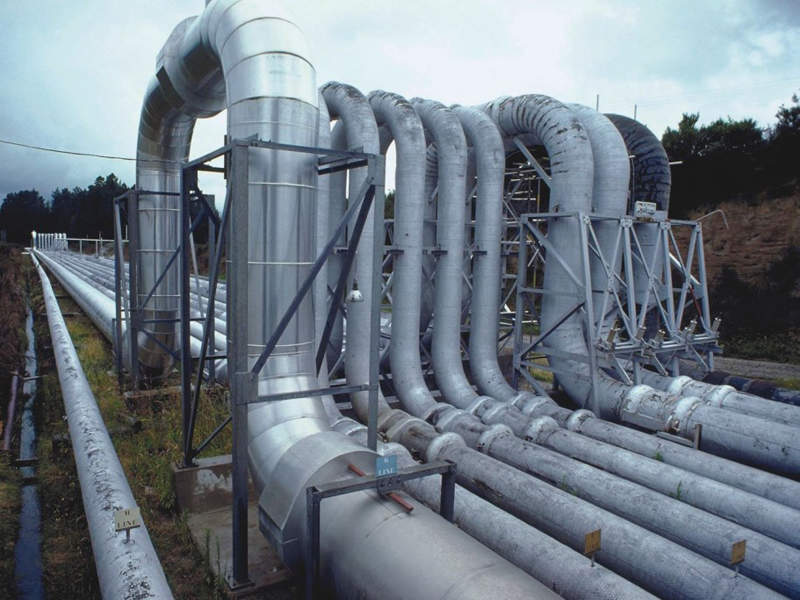
![]() The crude oil supply is still fed from the Bahrain field (just over 16%) and Saudi Arabia by an under-sea pipeline. | ||
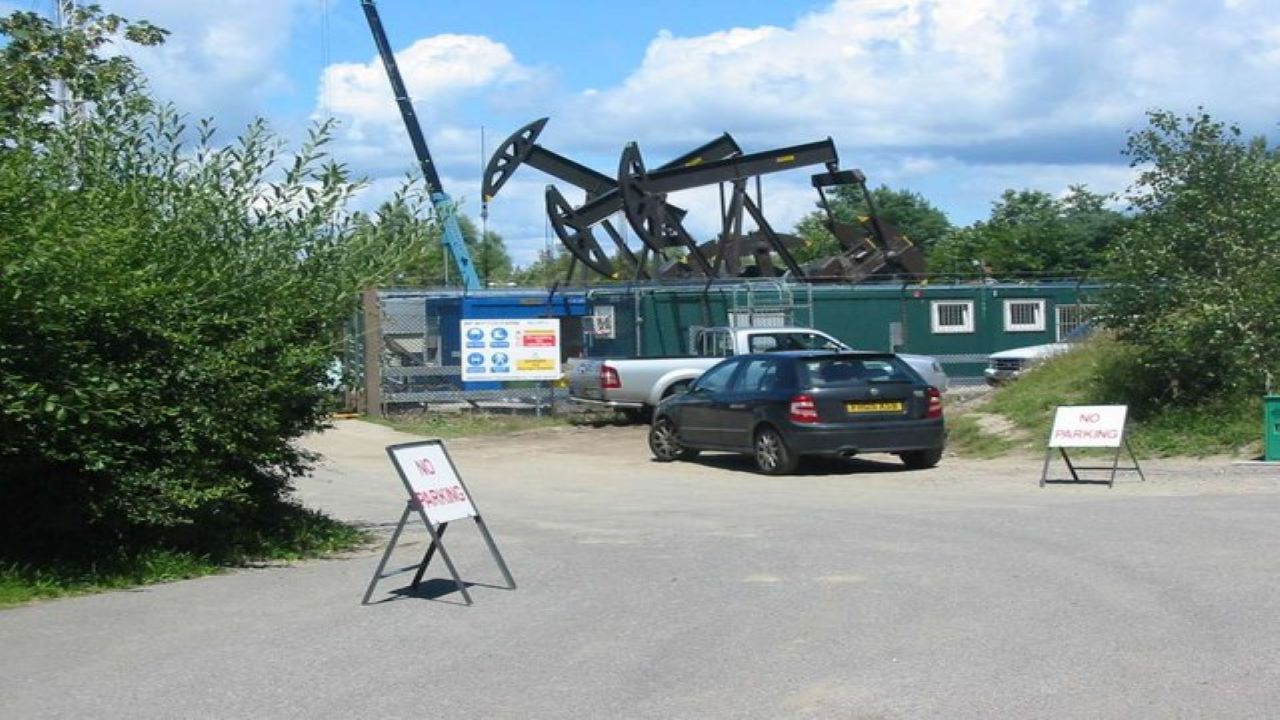
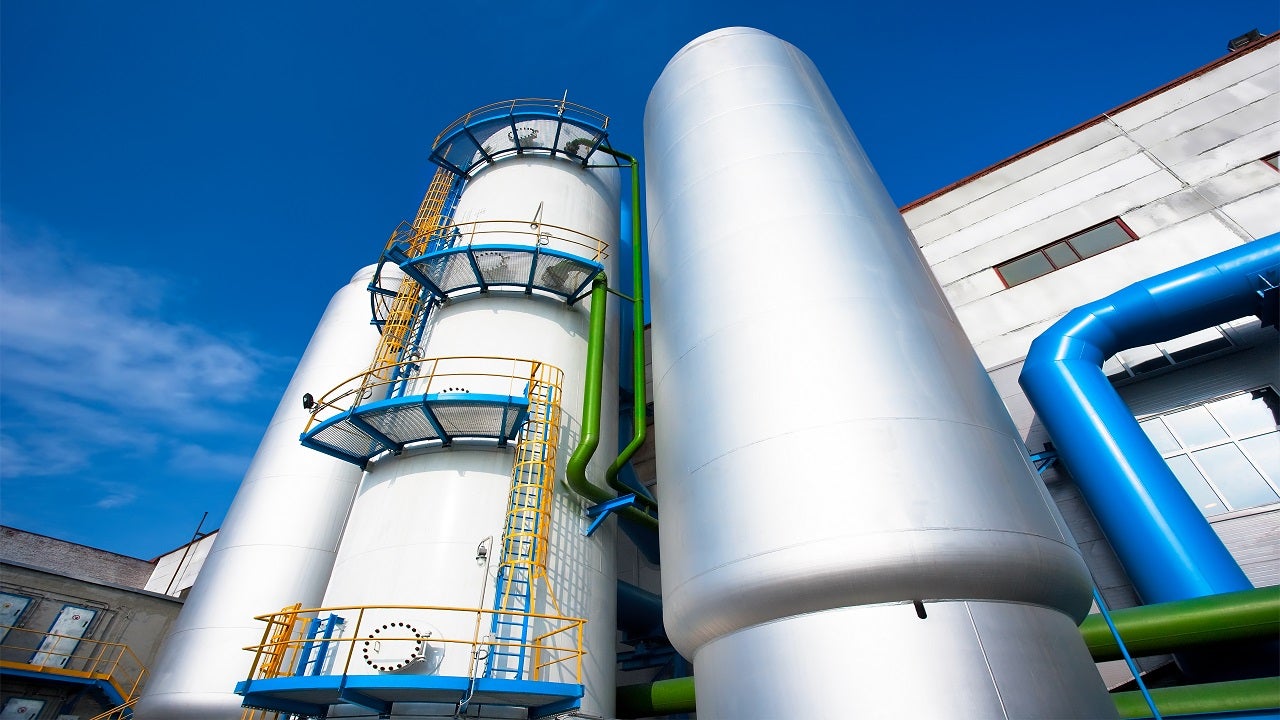
![]() A hydrocracker unit similar to the one being constructed by JGC Corporation of Japan. | ||